HomeCategory

Essential Oil/Hydrosol Extraction

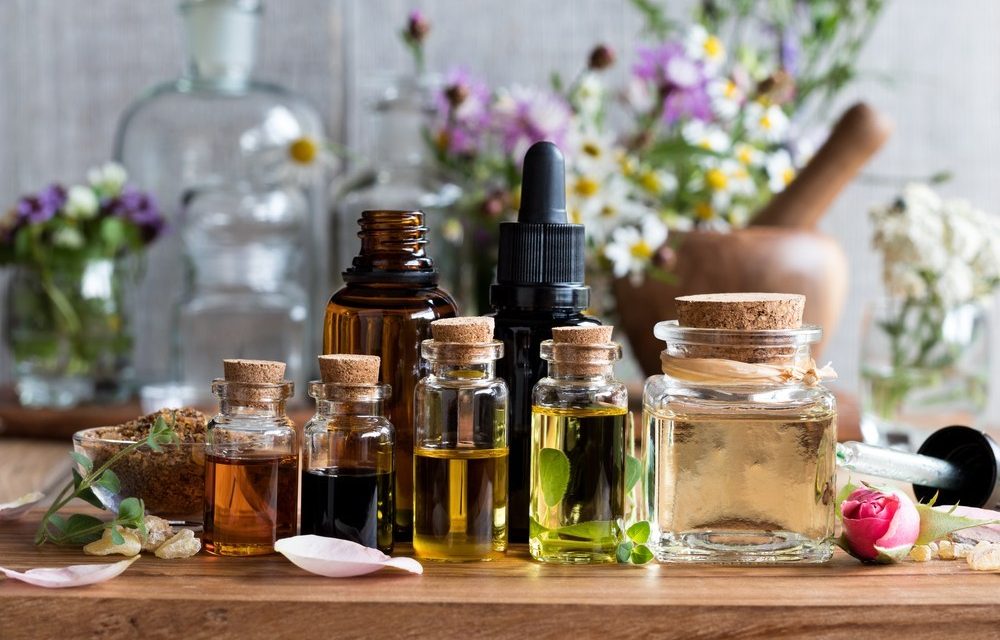
The extraction vessel operates on the principle of steam distillation: fresh or dried floral raw materials are placed inside the vessel, and purified steam is introduced. The steam penetrates the floral tissue, carrying volatile aromatic compounds with it as it is distilled out. After condensation and oil-water separation, pure essential oil and hydrosol (floral water). Throughout the process, steam serves as both a heat source and a carrier, enabling a gentle, clean, and residue-free extraction that maximizes the retention of the flowers’ natural aroma profile and nutritional properties.
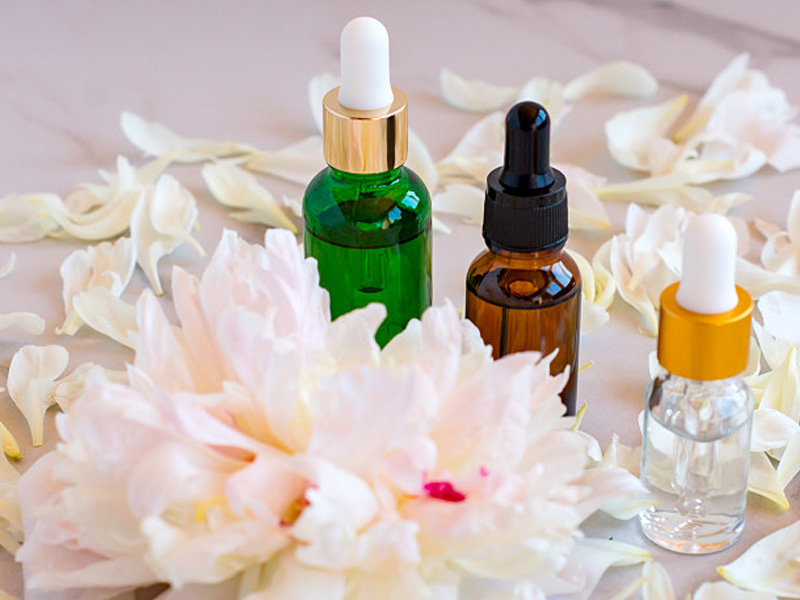
The ultrasonic-assisted extraction vessel seamlessly integrates ultrasonic technology with traditional extraction processes. Ultrasound generates cavitation, mechanical vibrations, and microjets in the liquid, which vigorously disrupt the cell wall structures of fresh flowers, enabling the rapid release of intracellular aromatic compounds into the extraction medium. The entire process can be completed at relatively low temperatures (30–60°C), eliminating the need for prolonged high-temperature steaming and thereby significantly preserving heat-sensitive aroma precursors and top notes. The equipment features high oil yield, pure aroma, short processing time, and low energy consumption, making it particularly suitable for delicate flowers with low oil yield, such as roses, jasmine, osmanthus, and orange blossom.

The extraction tank uses an integrated distillation process: fresh flowers are placed inside the tank, and purified water vapor is introduced. The steam, carrying aromatic compounds and water-soluble nutrients, is condensed and then directed into an oil-water separator, where it naturally separates into layers based on density—the essential oil floats on top, while the hydrosol settles at the bottom, and both are collected simultaneously. No chemical additives are used throughout the entire process, ensuring that the hydrosol is natural, pure, and residue-free, while fully preserving the active nutrients in the fresh flowers—such as moisturizing and soothing properties. This process is suitable for the large-scale production of hydrosols from a variety of flowers, including rose, lavender, chamomile, and orange blossom.

The purity of resin essential oils directly determines their quality grade, aromatic profile, and value in downstream applications. As the core equipment for refining resin raw materials, stainless steel chromatography columns—with their highly efficient solid-liquid separation and selective adsorption capabilities—have become essential process equipment for the purification of resin essential oils. Based on the principles of ion exchange and adsorption resin separation, this equipment achieves the targeted separation of desired aromatic components from impurities in the resin by precisely controlling process parameters such as flow rate, temperature, and eluent composition.

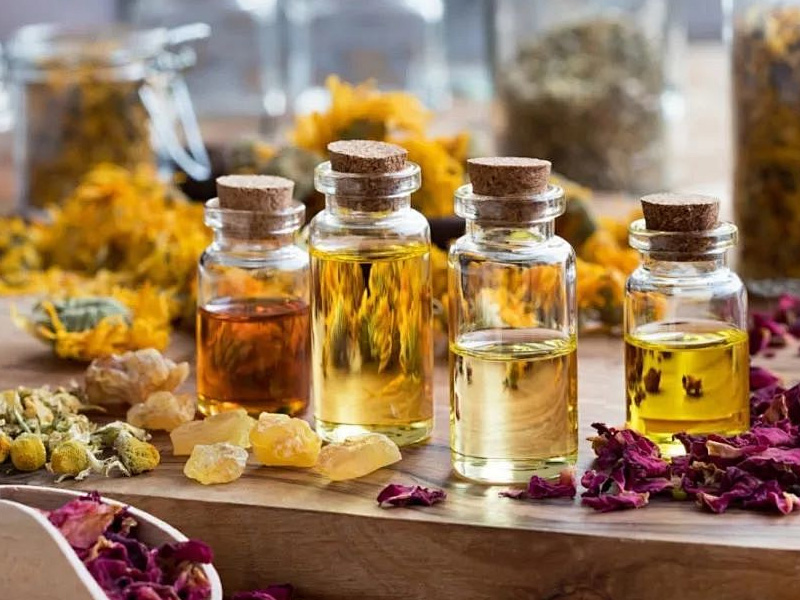
The extraction vessel utilizes high-temperature distillation technology. Resin raw materials, which have been cryogenically crushed or cut into chunks, are placed inside the vessel. Through precise temperature control (typically 120–180°C), the volatile aromatic components in the resin are fully released, which are then carried out with water vapor or through direct dry distillation (assisted by a small amount of steam). After condensation and oil-water separation, pure resin essential oil is obtained. This process effectively removes mechanical impurities, high-molecular-weight polymers, and some non-volatile residues from the resin, enhancing the purity of the essential oil and the purity of its aroma. It is suitable for the extraction of various resin essential oils, such as frankincense, myrrh, colophony, and benzoin, producing high-quality essential oils with a rich aroma and consistent efficacy.

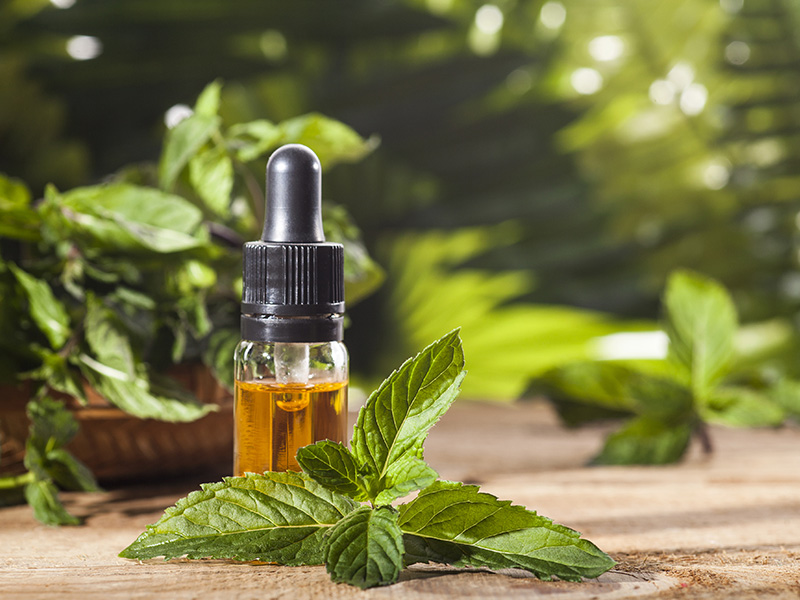
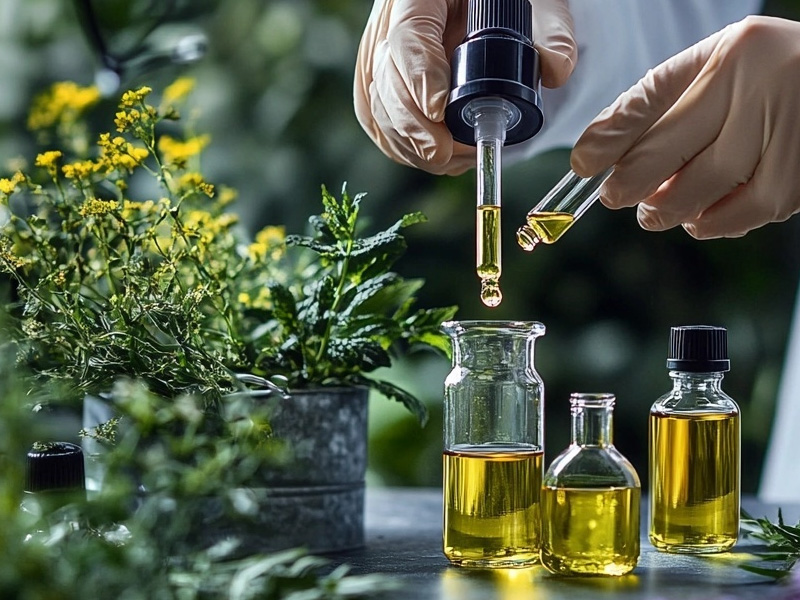
The extraction vessel utilizes steam distillation technology: crushed herbal raw materials are placed inside the vessel, and high-temperature steam is introduced. The steam rapidly penetrates the plant’s fibrous tissue, carrying out the volatile aromatic compounds from the leaves, stems, and roots. After condensation and oil-water separation, pure herbal essential oil is obtained. This process allows for flexible adjustment of distillation temperature, steam volume, and duration based on the characteristics of different raw materials (such as the thick leaves of mugwort, the thin leaves of mint, and the degree of lignification in roots), maximizing essential oil extraction yield while preventing thermal decomposition of active ingredients. The resulting herbal essential oils feature a fresh aroma and consistent efficacy.

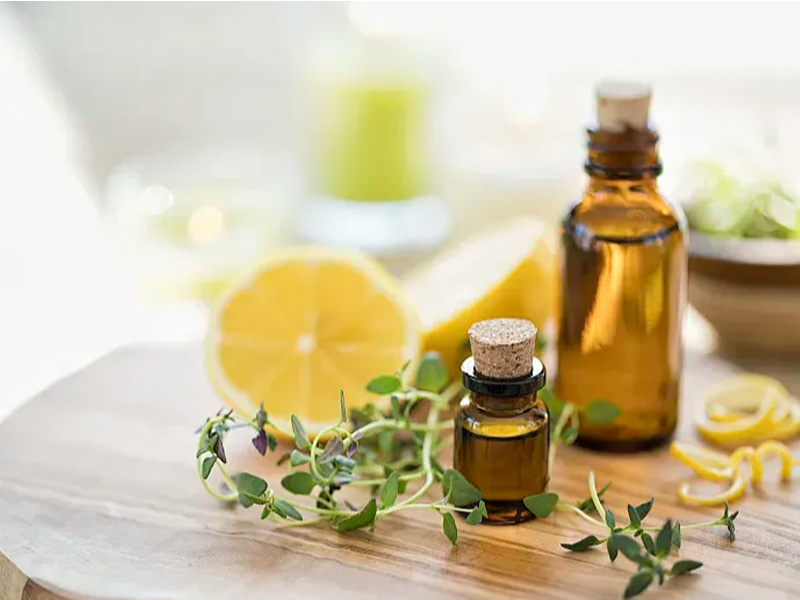
The extraction tank operates on the principle of steam distillation: fresh or dried citrus peel is crushed or shredded and placed inside the tank, where high-temperature steam is introduced. The steam carries the volatile aromatic compounds from the oil glands in the peel out of the vessel; after condensation and oil-water separation, pure fruit essential oil is obtained. This process allows for precise control of steam volume and distillation time, maximizing the release of essential oil without damaging heat-sensitive terpenes. The resulting product has a fresh, natural aroma, is low in impurities, and has a light color, fully preserving the natural fruit aroma and active ingredients of the essential oil, making it perfectly suited for the production of various fruit essential oils, such as orange, lemon, bergamot, and grapefruit.